
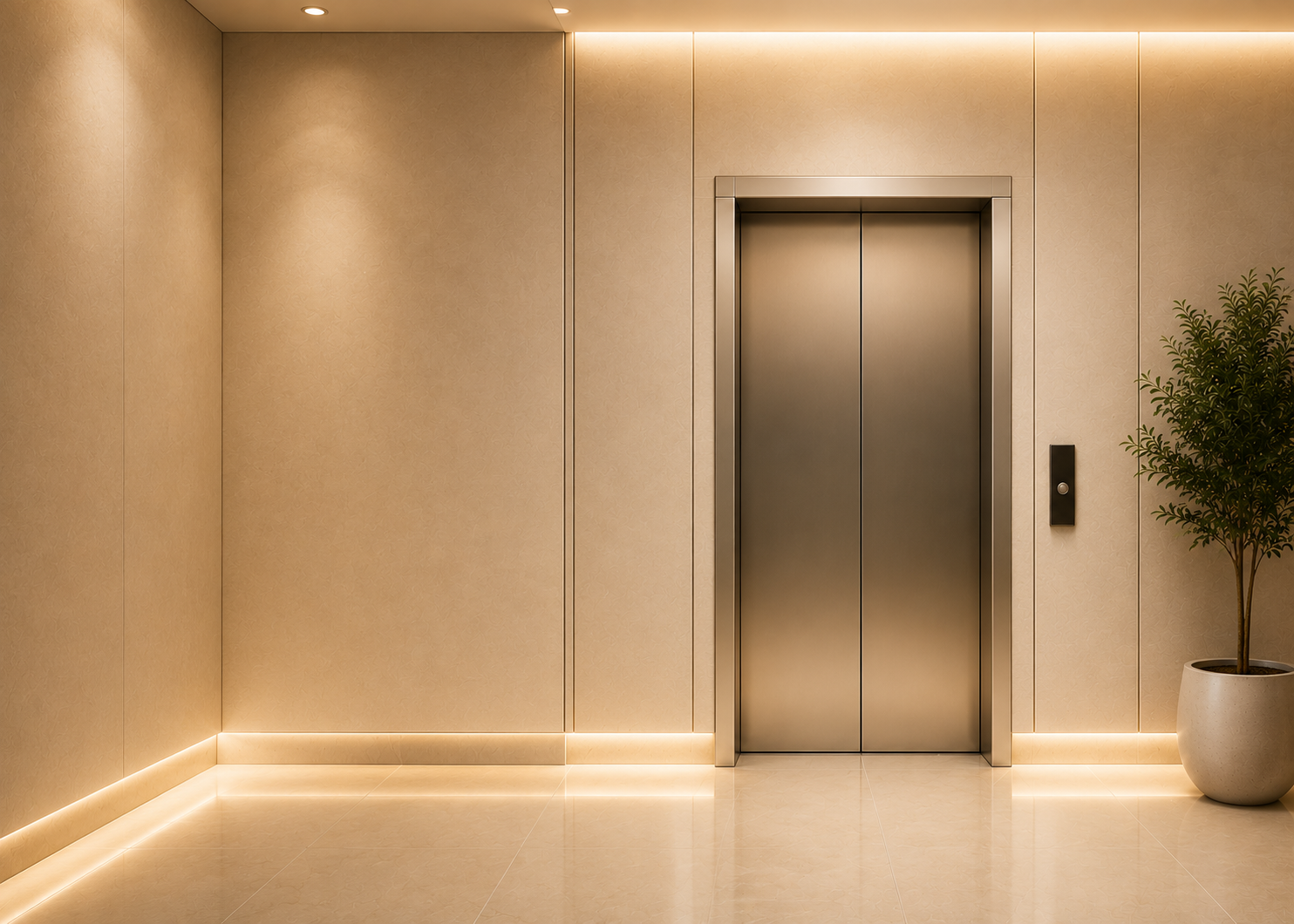
If you are looking for a reputable elevator company for the design, installation, service, and maintenance of elevators, or for the implementation of escalators and lifts, we are ready to cooperate with residential, office, commercial, and industrial projects by providing specialized services in accordance with the latest standards.

We offer project execution in compliance with national standards, use of high-quality components, transparent pricing, fast support, and a skilled and trained team.

For free consultation, elevator installation price inquiries, signing service and maintenance contracts, or submitting repair requests, please contact our experts.

file 000000001a347243be53633da83a86d9

Elevator

Design, sales, and installation of traction, panoramic, hydraulic, hospital, and freight elevators in accordance with national standards.

6353d54a dc2d 4f96 8d61 b02b1a4d0df3

Escalator

Installation and commissioning of escalators and moving walkways for shopping centers, commercial complexes, subways, airports, and high-traffic buildings.
ee02eb68 17b8 4d09 a5f1 e73dbc719599

Service and maintenance

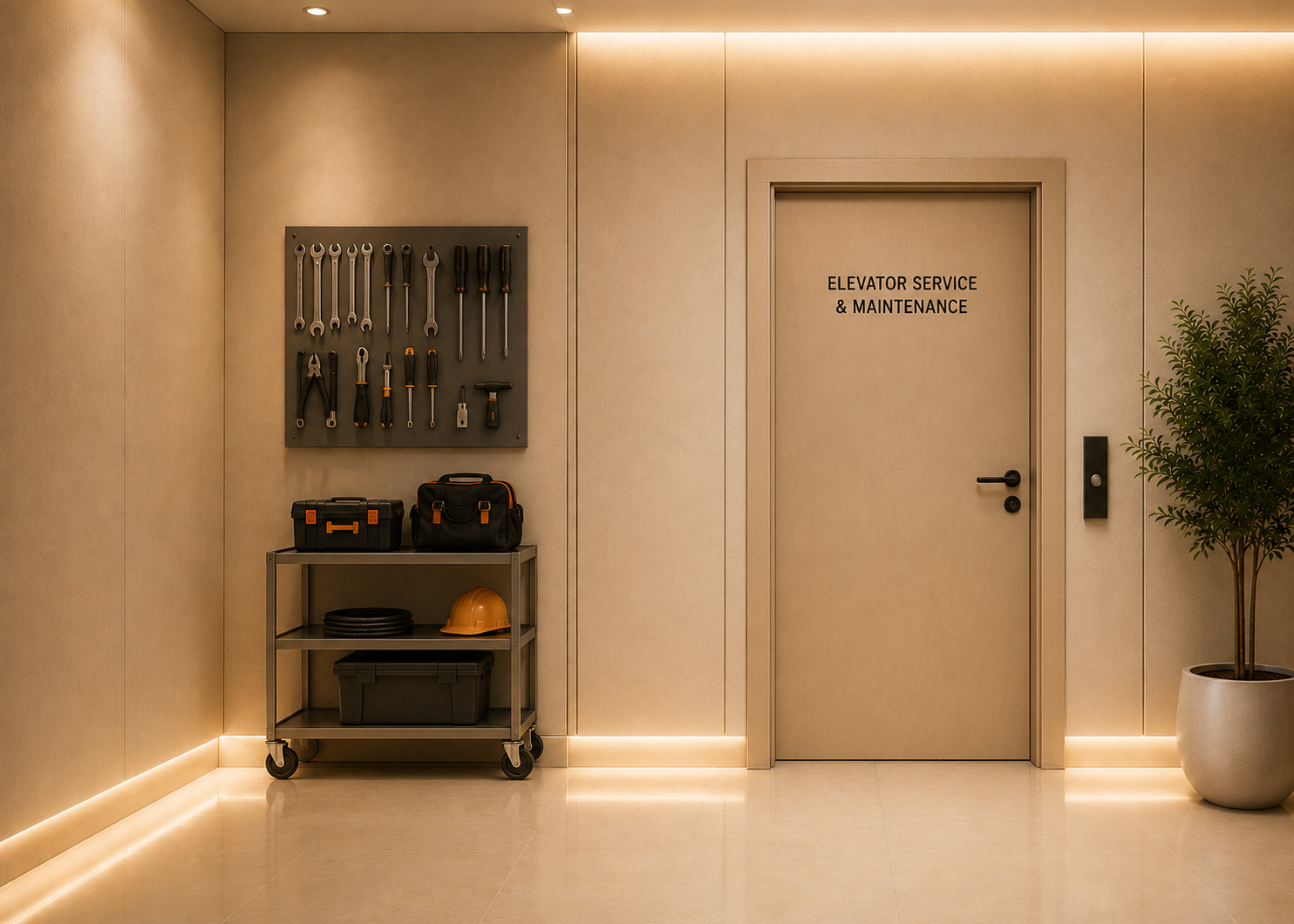
Monthly inspections, door adjustments, control panel checks, safety system inspections, and periodic technical reporting.

Frequently Asked Questions (FAQ)

1- How often should an elevator be serviced?
Residential elevators should be serviced at least once a month, while high-traffic elevators require more frequent maintenance.

2- What should be done if you get stuck in an elevator?
Stay calm, press the alarm button, and contact emergency support via the emergency phone. Never attempt to force the doors open.

3- What causes unusual noise or vibration in an elevator?
It may be due to rail issues, wire ropes, the motor, or improper cabin adjustment and should be inspected by a technician.

4- What does the capacity label inside the cabin mean?
It indicates the maximum allowed weight or number of passengers, and following it prevents excessive load on the system.

5- Will an elevator fall during a power outage?
No. Elevators are equipped with safety brakes, and many buildings also have emergency rescue systems.

6- What is the difference between traction and hydraulic elevators?
Traction elevators use a motor and wire ropes and are suitable for tall buildings; hydraulic elevators use an oil-based piston system and are ideal for low-rise buildings.

1- Why should you stand behind the yellow line on an escalator?
To prevent shoes or clothing from getting caught and to improve safety.

2- What should you do if the escalator stops suddenly?
Maintain your balance and carefully step off the escalator.

3- Why is running on an escalator dangerous?
It increases the risk of slipping and falling, which may cause injuries.

4- Is it allowed to take strollers or shopping carts on escalators?
Usually no; it is better to use an elevator instead.

5- How often is escalator maintenance performed?
Depending on usage, it is typically carried out monthly or according to a maintenance schedule.

6- Where is the emergency stop button on an escalator?
It is usually located at the top and bottom ends of the escalator and marked in red.